

Multi-category offline retail is generally plagued by operational challenges including massive SKUs, complicated merchandise, frequent new product launches and difficult loss control. In shoe & apparel, luggage, blind box and collectible stores, as well as outlets with mixed multi-brand discount products on display, stores need to deliver an immersive self-shopping experience while managing inventory, preventing shrinkage and streamlining operations. Under the traditional barcode model, time-consuming stocktaking, delayed inventory data, checkout congestion during peak hours and frequent merchandise theft keep driving up labor and shrinkage costs for retailers.
Today, RFID smart retail management solutions have become a core enabler for digital transformation at shoe & apparel stores, warehouse-style outlets, trendy toy collective stores and other retail venues. A unique RFID tag is assigned to each individual product, connecting tags, smart terminals and the cloud management platform. This creates a full closed loop covering merchandise traceability, in-store loss prevention, rapid stocktaking, self-checkout and data-driven operations, reshaping the “consumer, merchandise, location” operating model for multi-format retail.
I. Addressing Core Store Operational Pain Points
Traditional operational models create distinct management challenges across different retail formats:
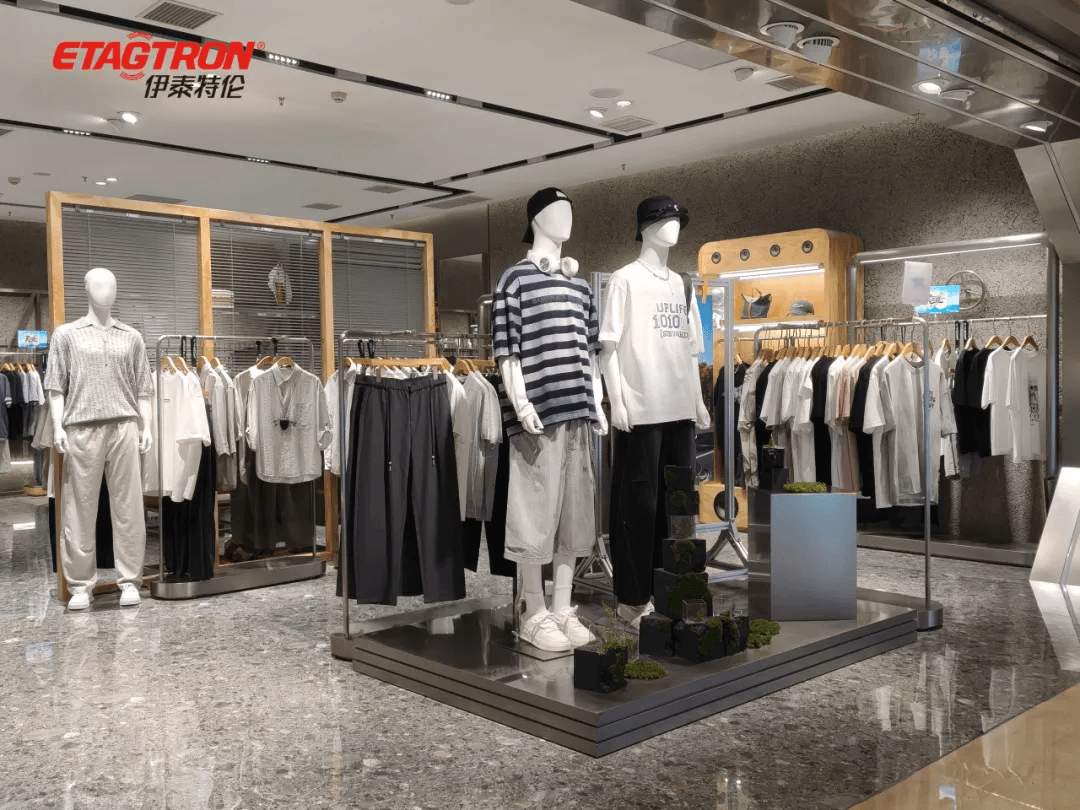
Brand Shoe & Apparel Stores With vast combinations of styles, sizes and colors, manual stocktaking requires overtime work after closing hours. Inventory data is updated with delays, which easily leads to phantom inventory.
Warehouse-style Outlets These large integrated store-and-warehouse spaces carry products from hundreds of brands with stacked displays. Stocktaking massive SKUs poses great difficulties; self-service shopping also creates heavy anti-theft pressure at entry and exit points.
Trendy Toy Stores Blind boxes and figurines are small in size yet high in unit value, making them vulnerable to product substitution and theft. The large volume of individual items leads to low manual counting efficiency, with strong demand for anti-counterfeiting and traceability.
Multi-category Brand Collective Stores Cross-category merchandise is mixed on shelves, creating heavy workloads for product locating, stocktaking and inventory transfers.
Meanwhile, all retail formats share common pain points: long checkout queues during peak foot traffic; store staff spending excessive time on stocktaking and locating goods, which distracts them from customer service; lack of item-level data results in inefficient replenishment and transfer decisions and inaccurate inventory management.
II. Full-chain Solution Deployment
The complete RFID smart retail management solution consists of three layers: sensing tag layer, intelligent hardware terminals and cloud management system. It adapts to various store types without large-scale physical renovation.
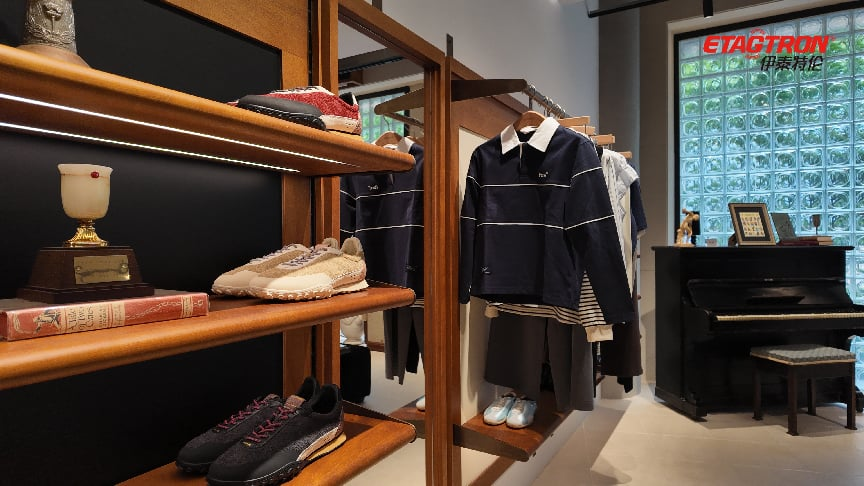
RFID Tags RFID tags can be integrated into shoe & apparel hang tags, care labels, shoeboxes and outer packaging of trendy toys. Tags with different materials and sizes are available to fit diverse merchandise. Each tag is bound to unique product information including style number and specifications, granting every item a digital identity. It supports full-lifecycle management covering receiving & dispatch, stocktaking, traceability, fast checkout and intelligent anti-shrinkage.
RFID Smart Terminal Devices
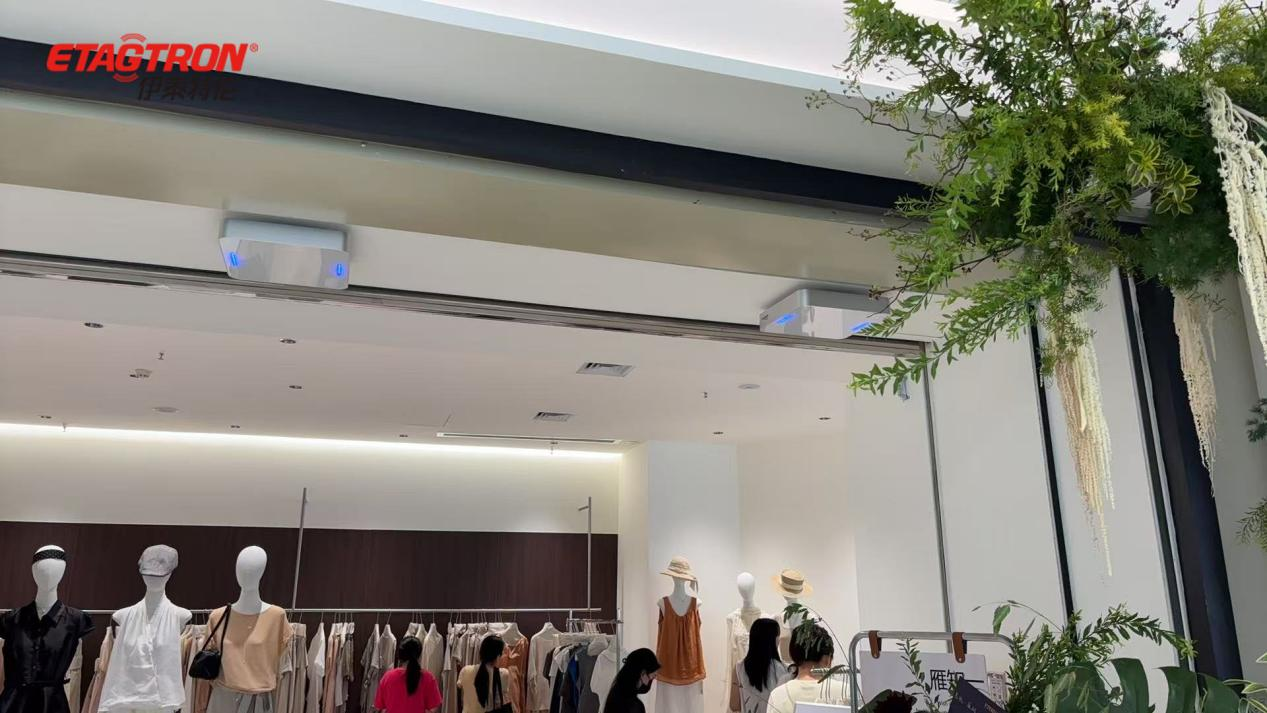
RFID Smart Security Gates (freestanding / ceiling-mounted / floor-embedded): Deployed at store entrances and exits. Audible and visual alarms trigger automatically when unpaid merchandise passes through, delivering visual loss prevention. Ceiling-mounted models support barrier-free store access design.
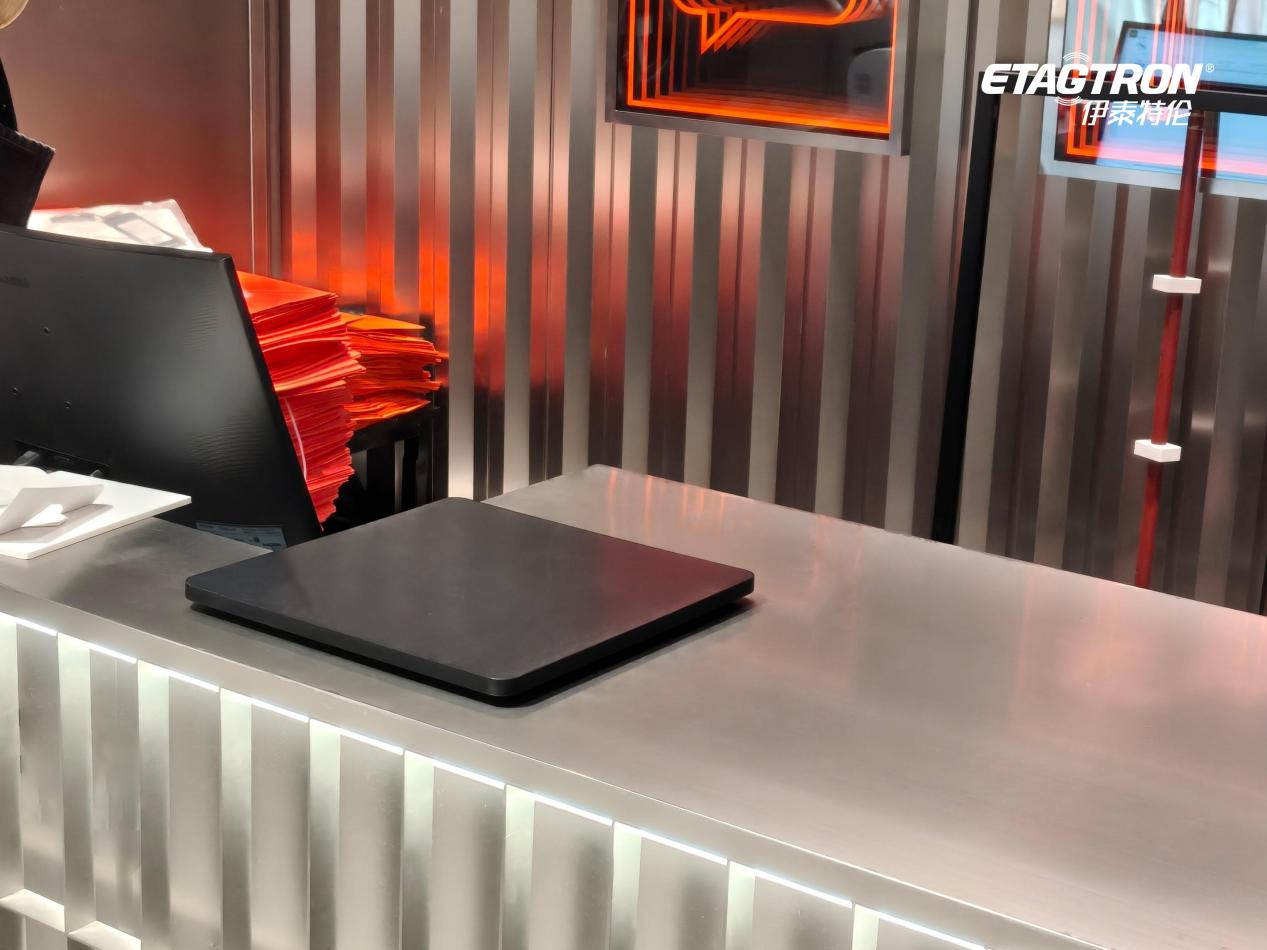
RFID Self-checkout Kiosks / RFID Desktop Readers: Bulk recognition of multiple items within the reading zone in milliseconds, eliminating one-by-one barcode scanning and easing checkout congestion for high-traffic stores to enable seamless self-shopping.
RFID Handheld Readers: Staff can read tags in batches while walking along shelves for fast merchandise locating and inventory transfer, enabling stocktaking without store closure.
Cloud Management Platform It aggregates data from loss prevention, sales and stocktaking, and automatically generates reports. Retailers can easily identify hot-selling and slow-moving SKUs to guide merchandising layout, replenishment and inventory transfer, achieving refined operations.
III. Boosting Store Quality and Efficiency
Deployment of RFID smart retail management solutions in offline multi-format stores delivers quantifiable, visible operational improvements across all in-store scenarios:
Stocktaking Manual stocktaking of 5,000 items traditionally takes 14.4 hours, while RFID bulk stocktaking can finish within 1 hour. Stocktaking efficiency increases by 13.4 times, cutting stocktaking labor hours by 93.06%.
Goods Receiving Manual inspection of 100 new items normally takes 1.5 hours; RFID bulk verification without unpacking takes only 0.7 hours, doubling receiving efficiency.
Merchandise Locating Combined with our self-developed cloud platform, RFID handheld readers enable intelligent item positioning. Staff merchandise locating efficiency rises by 50%, reducing idle working hours and improving operational performance.
Loss & Theft Prevention RFID security gates work in conjunction with tagged merchandise, cutting store shrinkage by more than 50%. Retailers can reduce high spending on traditional security tags and related labor costs.
Amid the digital transformation wave, retail competition extends far beyond products alone. In-store operational efficiency and consumer experience have become core competitiveness. Featuring full-scenario coverage with tags, hardware and software, the RFID smart retail management solution helps retail stores realize item-level digital management and convert technology into tangible business returns. Looking ahead, with continuous technological upgrades, RFID will unlock greater industrial value across more retail formats.
Post time: Oct-23-2026